
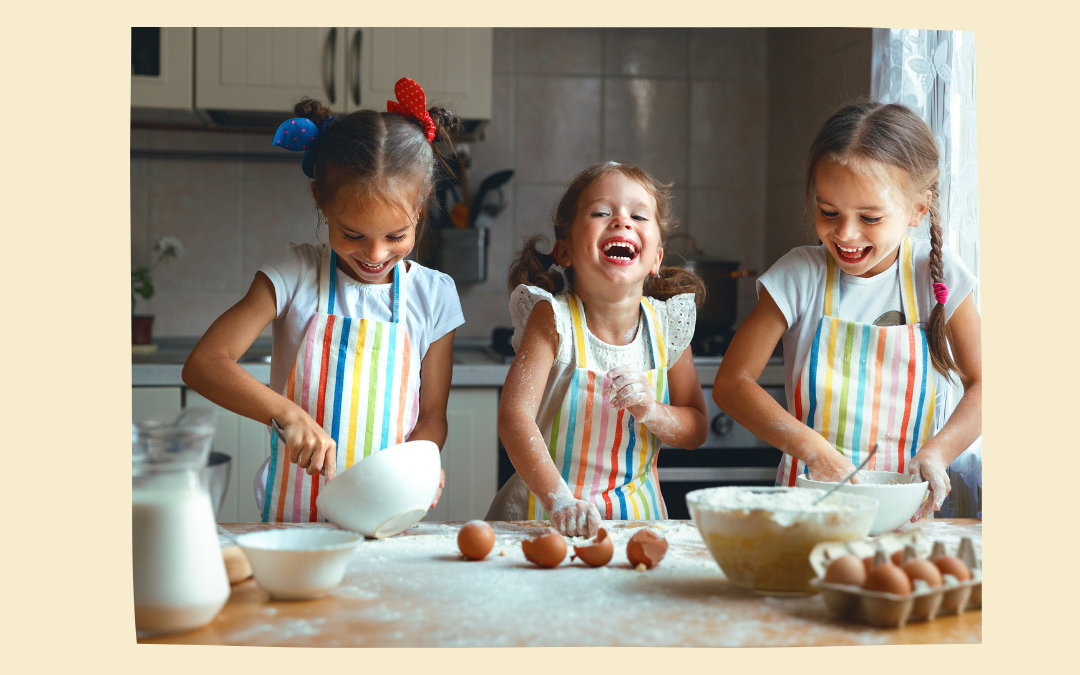
Math is everywhere! From cooking dinner to shopping at the grocery store, children use math skills more often than they realize. One of the best ways to help kids build confidence in math is by practicing it during everyday activities in fun and natural ways.
At Teacher Time To Go,, we know that learning does not have to stop when homework is finished. Small moments throughout the day can turn into valuable learning opportunities that strengthen problem-solving skills and make math feel less intimidating.
Here are some easy ways families can practice math together during everyday routines.
Use Math in the Kitchen
Cooking and baking are perfect opportunities for hands-on math practice. Kids can help:
- Measure ingredients using cups and spoons
- Double or halve recipes
- Count items while preparing food
- Practice fractions while measuring ingredients
For example, if a recipe calls for 1 cup of milk but you only want to make half the recipe, ask your child how much milk is needed.
Practice Counting While Shopping
Grocery stores are full of math opportunities. Children can:
- Add prices together
- Compare prices between products
- Estimate the total cost of items in the cart
- Count fruits or snacks while shopping
Older students can also calculate discounts and practice budgeting skills.
Tell Time Throughout the Day
Help children build time-management and math skills by asking questions like:
- “If practice starts in 30 minutes, what time do we need to leave?”
- “How many minutes until bedtime?”
- “What time will dinner be ready if it cooks for 45 minutes?”
These conversations strengthen understanding of time and elapsed time calculations.
Use Math During Car Rides
Turn travel time into learning time with simple math games:
- Count cars of certain colors
- Practice skip counting by 2s, 5s, or 10s
- Estimate how long the trip will take
- Read and add numbers on license plates
Quick math games can make long car rides more fun and educational.
Count and Sort Household Items
Young children can practice early math skills by sorting and counting:
- Socks during laundry
- Toys by color or size
- Coins in a jar
- Books on a shelf
Sorting activities help develop pattern recognition and organization skills.
Play Board Games and Card Games
Many games naturally build math skills such as counting, strategy, and problem-solving. Games can help children practice:
- Addition and subtraction
- Number recognition
- Money skills
- Logical thinking
Plus, learning through play often feels less stressful than worksheets.
Track Sports and Scores
If your child enjoys sports, use scores and statistics to practice math. Ask questions like:
- “How many more points does the team need to win?”
- “What is the difference between the two scores?”
- “If each player scores 2 points, how many points total?”
Sports can make math exciting for kids who enjoy competition and teamwork.
Practice Money Skills
Give children opportunities to handle money in real-life situations by:
- Counting coins and bills
- Making change
- Saving for a goal
- Comparing prices
Learning money math builds valuable life skills and confidence.
Why Everyday Math Practice Matters
Short, consistent math practice can help children:
- Build confidence
- Improve problem-solving skills
- Reduce math anxiety
- See how math connects to real life
When math becomes part of daily life, children often feel more comfortable and capable using it.
Final Thoughts
Math does not have to feel overwhelming or boring. Everyday activities provide simple and meaningful ways for children to strengthen their skills while spending quality time with family.
At TT2G, we believe learning happens everywhere — not just in the classroom. By turning everyday moments into learning opportunities, parents can help children build strong math foundations that last a lifetime.
Live.Laugh.Learn,
Jenn, Owner of Teacher Time To Go