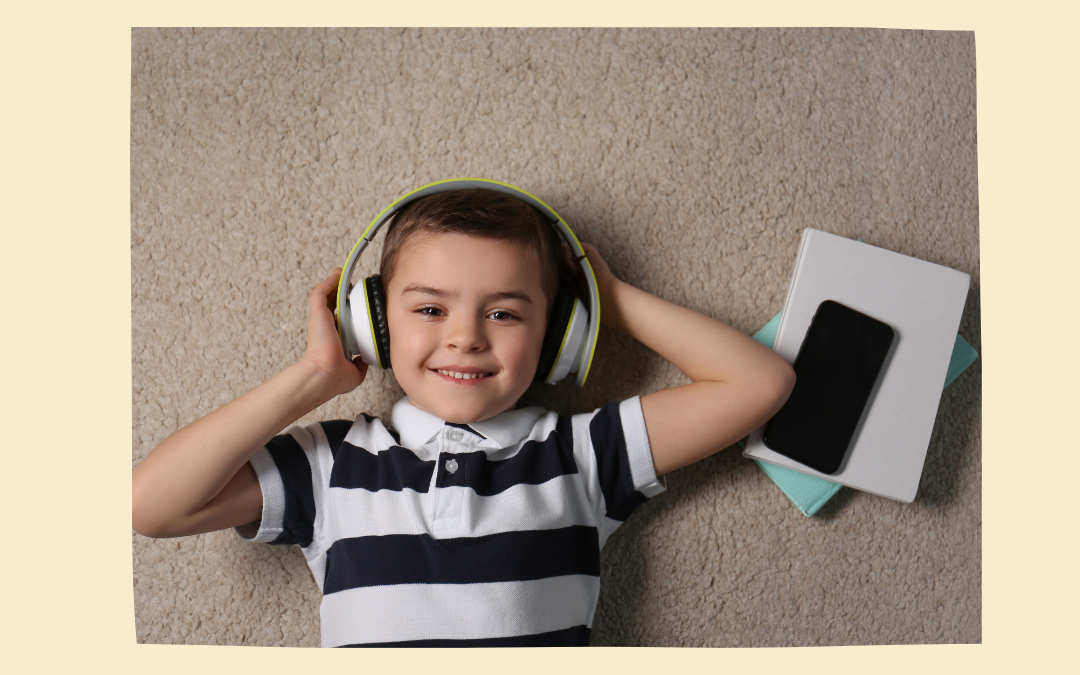
At Teacher Time To Go, we get asked frequently if listening counts as reading. The short answer is: yes — audiobooks absolutely have value! While traditional reading and listening to books are different experiences, both can help children grow as learners and readers.
The most important goal is helping kids develop a love for stories, language, and learning.
Benefits of Audiobooks
Audiobooks can be a wonderful tool for children of all ages. Listening to stories helps kids:
- Build vocabulary
- Improve listening and comprehension skills
- Hear fluent reading and proper expression
- Strengthen imagination
- Enjoy books that may be too difficult to read independently
Audiobooks can also help reluctant readers feel more confident and interested in stories.
Benefits of Traditional Reading
Reading physical books or ebooks gives children practice with:
- Decoding words
- Recognizing sight words
- Building spelling skills
- Understanding punctuation
- Improving focus and stamina
These are important skills that children need to become strong independent readers.
So…Which One Is Better?
The truth is that both are beneficial! Audiobooks and traditional reading can work together to support literacy development.
Think of audiobooks as another way to experience books — not a replacement for reading practice, but an additional tool that can make stories more accessible and enjoyable.
Great Ways to Combine Both
Here are some easy ways families can use audiobooks and reading together:
- Let your child follow along with the printed book while listening
- Listen to audiobooks during car rides or quiet time
- Alternate between reading pages aloud and listening
- Use audiobooks to introduce more advanced books and vocabulary
- Encourage discussion about the story afterward
Audiobooks Can Build Confidence
Some children struggle with reading but still have strong imaginations and excellent comprehension skills. Audiobooks allow them to enjoy age-appropriate stories without feeling frustrated by difficult text.
This can help children stay motivated and connected to reading while they continue building their decoding skills.
The Goal Is Lifelong Reading
Whether a child is listening to a story, reading independently, or reading alongside a parent, they are developing important literacy skills and building positive reading habits.
At the end of the day, fostering a love of books matters most. The more children enjoy stories and language, the more likely they are to become confident, capable readers over time.
Live.Laugh.Learn,
Jenn, Owner of Teacher Time To Go